Herbal Tea Recipes for Beginners: How to Blend Herbal Teas, Summer Recipes & the Best Online Workshop (2026)
Herbal Tea Recipes for Beginners: How to Blend Herbal Teas, Summer Recipes & the Best Online Workshop (2026)
Herbal tea recipes for beginners start with choosing herbs that complement one another in both flavour and purpose. A balanced blend typically combines a primary herb for wellness support, companion herbs to enhance the blend, and aromatic herbs for flavour. Whether you're making a calming bedtime tea or a refreshing summer infusion, learning the fundamentals of herbal tea blending helps you create personalised, enjoyable, and functional drinks using simple dried herbs at home.
Few beverages are as comforting, versatile, and naturally enjoyable as herbal tea. Whether you're looking for a relaxing evening drink, a refreshing summer infusion, or simply a creative way to use dried herbs, learning how to blend your own herbal teas is both rewarding and surprisingly approachable.
Unlike traditional teas made from Camellia sinensis, herbal teas—also known as herbal infusions or tisanes—can be crafted from flowers, leaves, roots, seeds, bark, fruits, and aromatic herbs. Every ingredient contributes its own unique flavour, aroma, and traditional herbal properties, allowing you to customise every cup according to your personal taste.
📚 Quick Resources:
• 📖 Free Summer Herbal Tea Recipe eBook
• 🌿 Herbal Tea Maker's Studio
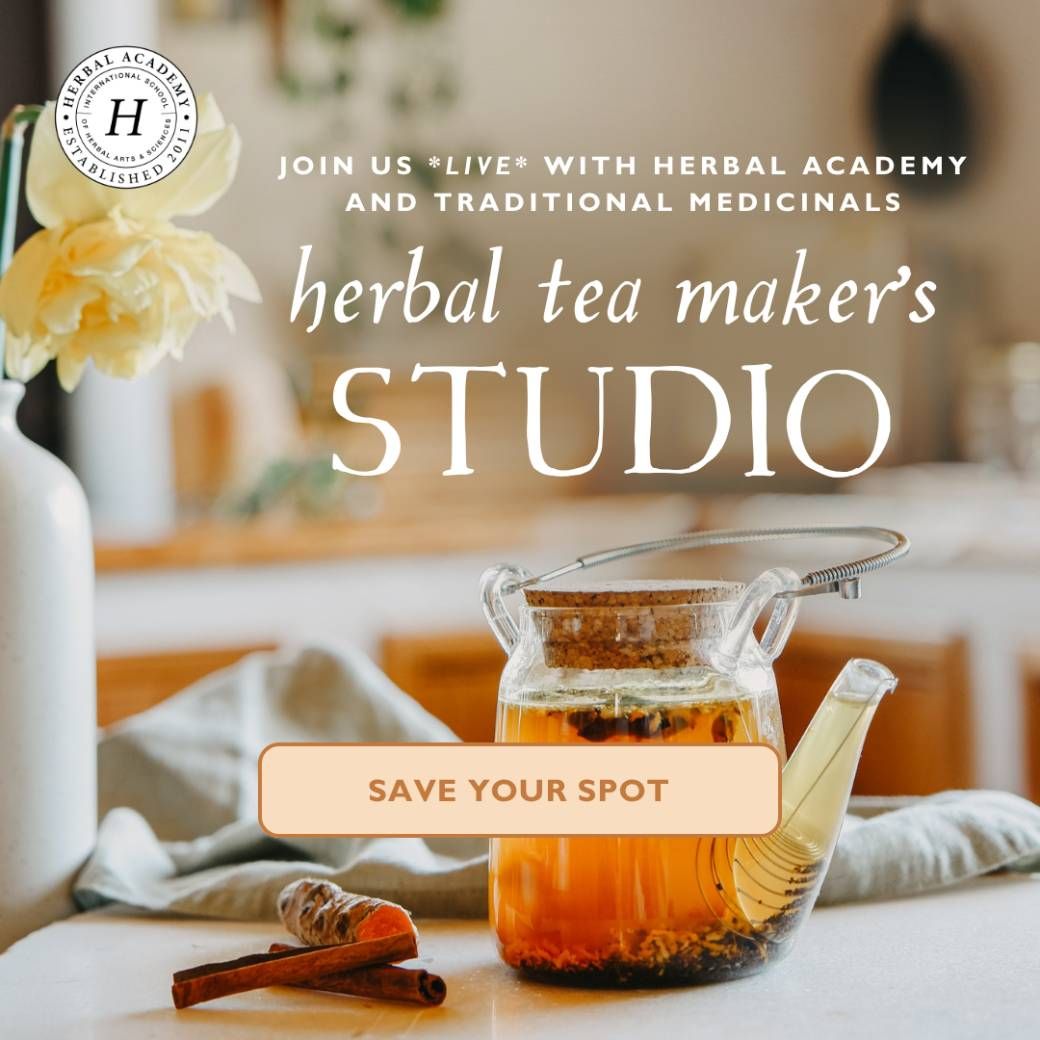
Making herbal tea at home offers much more than convenience. It gives you complete control over the ingredients you choose, encourages creativity, and helps you develop a deeper appreciation for the herbs you use every day. Whether you're preparing a calming bedtime blend, a refreshing iced tea for warm afternoons, or a comforting cup to unwind after work, every recipe becomes uniquely yours.
The growing interest in natural wellness has also encouraged more people to explore herbal education. Instead of relying solely on ready-made tea bags, many enthusiasts now want to understand why certain herbs work well together and how thoughtful blending creates a more balanced, enjoyable cup.
In this comprehensive guide, you'll discover:
- The basic principles of herbal tea blending.
- How experienced herbalists create balanced tea recipes.
- Practical tips for beginners.
- Homemade herbal tea recipes you can prepare yourself.
- Refreshing summer herbal tea ideas.
- Resources to help you continue learning through structured herbal education.
Whether you've never mixed herbs before or already enjoy experimenting in your kitchen, this guide will help you build confidence and inspire you to create herbal tea blends you'll genuinely enjoy sharing with family and friends.
🌿 Ready to Take Your Herbal Tea Skills Beyond Store-Bought Blends?
If you've ever wanted to create herbal teas that are tailored to your own taste and wellness goals, now is the perfect time to start. Explore Herbal Academy's free Summer Herbal Tea Recipe eBook for fresh seasonal inspiration, or take your learning further with the Herbal Tea Maker's Studio, where experienced herbal educators guide you through the art of crafting balanced and flavourful herbal tea blends from scratch.
📌 Who Is This Guide For?
Whether you're completely new to herbal tea or looking to refine your blending skills, this guide is designed to help you brew with confidence. It's especially useful if you are:
✅ A beginner who wants to make herbal tea at home using simple ingredients.
✅ Looking for easy, step-by-step herbal tea recipes that are both enjoyable and practical.✅ Interested in creating refreshing summer herbal teas and iced infusions for family and friends.
✅ Curious about the basics of herbal tea blending and how different herbs complement one another.
✅ Exploring trusted herbal education resources to expand your knowledge beyond recipes.
✅ Interested in learning from experienced herbal educators through online workshops and practical training.
By the end of this guide, you'll have the confidence to prepare your own herbal tea blends, discover new seasonal recipes, and decide whether additional herbal learning resources are the right next step for your journey.
What Makes a Great Herbal Tea Blend?
One of the biggest misconceptions about herbal tea is that creating a delicious blend simply means mixing together a handful of herbs that sound appealing. In reality, well-crafted herbal teas are thoughtfully balanced, with each ingredient contributing a specific purpose to the finished infusion.
Professional herbalists often approach tea blending with a simple structure that creates harmony between flavour, aroma, and traditional herbal use.
1. Start with a Foundation Herb
Every successful herbal blend begins with a primary ingredient that forms the heart of the recipe. This herb usually provides the dominant flavour profile while supporting the intended purpose of the blend.
Popular foundation herbs include:
- Chamomile
- Lemon balm
- Nettle
- Raspberry leaf
- Peppermint
- Rooibos
Choosing a foundation herb first makes it easier to build the rest of the recipe with complementary ingredients.
2. Add Supporting Herbs
Supporting herbs work alongside the foundation ingredient by contributing additional flavour, aroma, or traditional herbal characteristics. Rather than competing with the main herb, they help create a smoother and more rounded blend.
Examples include:
- Lemon balm
- Holy basil (Tulsi)
- Rose petals
- Linden flowers
- Oatstraw
- Hibiscus
These herbs often soften stronger flavours while adding greater complexity.
3. Finish with Accent Herbs
Accent herbs are used more sparingly but have a significant impact on the overall experience. Their role is to introduce pleasant aromas, subtle flavour notes, or visual appeal.
Popular accent herbs include:
- Lavender
- Rose petals
- Cinnamon
- Orange peel
- Calendula
- Ginger
Even a small amount can dramatically transform the finished cup.
Think About Flavour Balance
Great herbal tea isn't only about traditional herbal properties—it's also about creating an enjoyable drinking experience.
Ask yourself:
- Is the blend too floral?
- Does it need a brighter citrus note?
- Would a little mint make it more refreshing?
- Is the sweetness naturally balanced?
Taste, adjust, and experiment. Every successful tea blender develops their own style through repeated practice rather than following recipes exactly.
Use Quality Ingredients
Freshness matters.Whenever possible, purchase herbs from trusted suppliers that specialise in culinary or herbal products. Properly dried herbs generally retain better aroma, colour, and flavour than herbs that have been stored for extended periods.
Store herbs in airtight containers away from direct sunlight, heat, and moisture to preserve their quality.
Keep a Tea Journal
One habit that many experienced herbal enthusiasts recommend is maintaining a blending notebook.
Record:
- Ingredients used
- Measurements
- Brewing time
- Personal tasting notes
- Adjustments for next time
Over time, these notes become your own personalised herbal recipe collection.
Benefits of Making Your Own Herbal Tea
Learning to create herbal tea blends offers advantages that extend far beyond saving money or following recipes. It becomes an enjoyable hobby that combines creativity, mindfulness, and practical knowledge.
You Control Every Ingredient
Commercial herbal teas often contain fillers, artificial flavourings, or ingredients selected for mass production rather than freshness.
When blending your own teas, you decide exactly what goes into every cup.
Endless Variety
One collection of dried herbs can produce dozens of completely different flavour combinations.
Simple ingredient swaps can create:
- Calming evening teas
- Bright citrus blends
- Floral afternoon teas
- Cooling summer infusions
- Warming seasonal drinks
The possibilities are nearly endless.
Learn More About Herbs
Creating your own blends naturally encourages curiosity.
You'll begin recognising:
- which herbs complement one another,
- how brewing time changes flavour,
- how aromas develop during infusion,
- and how different herbs have traditionally been used in herbal practices.
This practical experience makes herbal learning both enjoyable and memorable.
A Relaxing Creative Hobby
Many people discover that preparing herbal tea becomes part of their daily self-care routine.
Measuring herbs, blending ingredients, and slowly brewing a cup encourages a slower pace that contrasts with today's busy lifestyles. The process itself can be just as enjoyable as drinking the finished tea.
Perfect for Every Season
Homemade herbal teas aren't limited to cold weather.
In summer, many herbs can be transformed into refreshing iced beverages or fruit-infused botanical drinks that are naturally caffeine-free and ideal for warm afternoons.
Likewise, comforting warm infusions become a welcome part of autumn and winter routines.
Build Confidence Through Education
While experimenting at home is rewarding, structured learning can accelerate your understanding of herbal tea blending.
Online workshops and herbal education programs often provide expert guidance on selecting herbs, creating balanced formulations, understanding traditional herbal practices, and refining recipes through hands-on learning. Whether you're simply curious or considering herbalism as a long-term hobby, learning from experienced instructors can shorten the learning curve and inspire new ideas for your own blends.
If making your own herbal teas has sparked a deeper interest in medicinal plants and natural wellness, you may also enjoy exploring our comprehensive guide to Herbal Academy's online herbalism courses, where we explain the different learning paths available for beginners and advanced learners alike.
Free Herbal Tea eBook vs. Herbal Tea Maker's Studio: Which Is Right for You?
Whether you're simply looking for fresh recipe ideas or you're ready to develop your herbal tea blending skills through structured learning, Herbal Academy offers resources for different stages of your journey. Here's a quick comparison to help you choose the option that best matches your goals.
| Feature | Free Summer Herbal Tea Recipe eBook | Herbal Tea Maker's Studio |
|---|---|---|
| Best For | Beginners looking for free inspiration | Beginners and enthusiasts wanting structured learning |
| Cost | Free | Paid workshop |
| Learning Style | Self-paced reading | Live interactive online sessions |
| Recipes Included | ✅ Yes | ✅ Yes, plus formulation techniques |
| Herbal Blending Skills | Basic | In-depth |
| Expert Guidance | No | Yes |
| Community Learning | No | Yes |
| Hands-on Learning | Limited | Extensive |
| Ideal If You Want To... | Try new summer tea recipes | Learn how to confidently create your own herbal tea blends |
Not sure where to begin? Download the Free Summer Herbal Tea Recipe eBook to explore beginner-friendly recipes, or if you're ready to take your skills further, join the Herbal Tea Maker's Studio to learn directly from experienced herbal educators.
My Recommendation
If you're completely new to herbal tea blending, start by downloading the Free Summer Herbal Tea Recipe eBook. It offers an easy way to explore seasonal recipes and experiment with different herbs at your own pace.
If you discover that you enjoy creating your own blends and want to understand the principles behind successful tea formulation, the Herbal Tea Maker's Studio is the natural next step. Its live, expert-led format is designed to help you build confidence and move beyond simply following recipes.
Herbal Tea Blending Tips for Beginners
Creating your own herbal tea blends is both a science and a creative process. While recipes provide a great starting point, the most enjoyable blends often come from experimenting with different herbs and discovering what works best for your taste and wellness goals.
If you're just beginning, these practical tips will help you build confidence and create balanced, enjoyable herbal teas at home.
1. Start with Just Three to Four Herbs
When you're new to herbal tea blending, it's tempting to combine every herb you have in your cupboard. However, using too many ingredients can make flavours compete with one another, resulting in a confusing or overpowering brew.
Instead, begin with a simple combination of:
- One primary herb
- One or two complementary herbs
- One aromatic herb for flavour or fragrance
This approach makes it easier to understand how each herb contributes to the final cup.
2. Use the "3–2–1" Blending Method
One of the easiest ways to create a balanced herbal tea is by following a simple ratio:
- 3 parts – Foundation herb
- 2 parts – Supporting herb
- 1 part – Accent herb
For example:
- 3 teaspoons chamomile
- 2 teaspoons lemon balm
- 1 teaspoon lavender
This ratio isn't a strict rule—it simply provides a reliable starting point that you can adjust based on your preferences.
3. Blend According to Your Purpose
Ask yourself one simple question before choosing herbs:
"What do I want this tea to do?"
Different blends may be designed for:
- Relaxation after a busy day
- Refreshment during summer
- A soothing evening routine
- Enjoying floral flavours
- Supporting a calming self-care ritual
Having a clear purpose helps you select herbs that naturally complement one another.
4. Taste Before Making Large Batches
Always prepare a single cup first.
This allows you to evaluate:
- Aroma
- Strength
- Sweetness
- Floral notes
- Aftertaste
If something feels too strong, reduce it slightly before preparing a larger batch.
5. Use Fresh, High-Quality Herbs
The quality of your herbs has a significant impact on flavour.
Choose herbs that:
- Still have vibrant colour
- Smell fresh and aromatic
- Have been stored correctly
- Come from trusted suppliers
Dull, faded herbs often produce flat-tasting teas.
6. Store Your Herbal Blends Properly
After creating a blend, transfer it into an airtight glass jar or food-safe container.
Store it in a cool, dark cupboard away from:
- Direct sunlight
- Heat
- Moisture
- Strong kitchen odours
When stored correctly, many dried herbs retain their quality for up to a year, though freshness gradually declines over time.
7. Keep a Personal Tea Journal
Every great tea blender develops their own favourite recipes through experimentation.
Record details such as:
- Ingredients
- Measurements
- Brewing time
- Taste notes
- Family feedback
- Changes for next time
Within a few months, you'll have your own personalised herbal tea recipe collection.
🍵 Quick Recipe Collection
In this guide you'll discover:
- 🌙 Soothing Sleep Herbal Tea
- ☀ Sunshine Summer Herbal Tea
- 🍋 Mint Citrus Cooler
- 🍓 Hibiscus Berry Refresher
- 🍑 Peach Lavender Iced Tea
- 🍍 Tropical Herbal Breeze
- 🌿 Garden Green Herbal Tea
- 🌹 Rose & Raspberry Summer Infusion
- 🍊 Ginger Citrus Sunrise Tea
Save this guide for later and experiment with a new herbal tea recipe whenever you want to enjoy a naturally refreshing cup.
Soothing Sleep Herbal Tea Recipe
Few things are more comforting than ending the day with a warm cup of herbal tea. This calming blend combines gentle floral and citrus notes with herbs that have long been used in traditional herbal practices for relaxation and evening routines.
Whether you've had a busy day at work or simply want to create a peaceful bedtime ritual, this beginner-friendly recipe is an excellent place to start.
Ingredients
- 3 tablespoons dried chamomile flowers
- 2 tablespoons dried lemon balm leaves
- 2 tablespoons dried rose petals
- 1 tablespoon dried lavender buds
This recipe creates a balanced herbal blend with soft floral aromas and a naturally pleasant flavour.
Why These Herbs Work Well Together
Chamomile
Chamomile forms the foundation of the blend with its mild apple-like flavour and traditional association with relaxation. Its gentle taste makes it one of the most popular herbs for beginners.
Lemon Balm
Lemon balm adds a refreshing citrus note while complementing the chamomile beautifully. It helps brighten the overall flavour without overpowering the blend.
Rose Petals
Rose petals contribute a delicate floral aroma and subtle sweetness while making the tea visually appealing.
Lavender
Lavender is used sparingly because of its strong fragrance. A small amount provides an elegant floral finish that transforms the blend into a comforting evening tea.
Instructions
- Measure each herb according to the recipe.
- Place all ingredients into a clean mixing bowl.
- Stir gently until evenly combined.
- Transfer the finished blend into an airtight glass jar.
Label the jar with the preparation date so you can keep track of freshness.
Brewing Instructions
For one serving:
- Add approximately one tablespoon of the herbal blend to a tea infuser or teapot.
- Pour about 250 ml (8 oz) of freshly boiled water over the herbs.
- Cover while steeping to help preserve the aromatic oils.
- Allow the tea to infuse for 5 to 10 minutes, depending on your preferred strength.
- Strain and enjoy.
If desired, sweeten lightly with honey after the tea has cooled slightly.
Serving Suggestions
Pair this herbal tea with:
- A relaxing evening book
- Meditation or mindfulness practice
- Gentle stretching or yoga
- Journaling before bed
Many people find that turning tea preparation into a nightly ritual becomes just as enjoyable as drinking the tea itself.
🌙 Recipe Card: Soothing Sleep Herbal Tea
Preparation Time 5 minutes Steeping Time 5–10 minutes Servings 6–8 cups (dry blend) Difficulty Beginner Best Enjoyed Evening or before bedtime Ingredients
- 3 tbsp dried chamomile flowers
- 2 tbsp dried lemon balm
- 2 tbsp dried rose petals
- 1 tbsp dried lavender buds
Directions
- Mix all herbs together.
- Store in an airtight container.
- Steep 1 tablespoon in 250 ml boiling water.
- Cover and steep for 5–10 minutes.
- Strain and enjoy.
Perfect For
✔ Evening relaxation
✔ Bedtime routine
✔ Quiet reading time
Sunshine Summer Herbal Tea Recipe
Warm, sunny days are the perfect opportunity to enjoy colourful herbal infusions served over ice. One delightful method is preparing a sun-infused herbal tea, where herbs slowly release their flavours while sitting in a sunny location.
This recipe combines floral herbs with fresh lemon to create a refreshing drink that's ideal for summer afternoons.
Important Safety Note: Because sun tea is prepared without boiling water, extra care should be taken with cleanliness. Always use thoroughly cleaned equipment, fresh ingredients, safe drinking water, avoid steeping for extended periods, refrigerate promptly after preparation, and discard the tea if you notice any unusual smell, cloudiness, or signs of spoilage.
Ingredients
- 1 quart (approximately 1 litre) glass jar with lid
- 2 tablespoons dried linden flowers
- 1 tablespoon dried calendula flowers
- 3 thin slices of fresh lemon
- Filtered drinking water
Optional garnish:
- Fresh mint leaves
- Lemon wedges
- Ice cubes
- Honey (optional)
Instructions
- Wash and dry the glass jar thoroughly.
- Add the dried herbs to the jar.
- Place the lemon slices inside.
- Fill the jar with filtered water.
- Close the lid securely.
- Place the jar in a sunny outdoor location for 2–3 hours.
- Strain the herbs and lemon slices.
- Refrigerate until chilled.
- Serve over ice.
The result is a naturally refreshing herbal drink with gentle floral notes and a hint of citrus.
Why This Recipe Is Perfect for Summer
Unlike sugary soft drinks, homemade herbal teas can be customised with fresh herbs and seasonal fruit.
This recipe offers:
- Bright floral flavours
- Refreshing citrus aroma
- Beautiful golden colour
- Naturally caffeine-free enjoyment
- A fun seasonal activity for families
Easy Variations
Once you've mastered the basic recipe, try experimenting with additional ingredients such as:
- Orange slices
- Fresh strawberries
- Blueberries
- Cucumber
- Fresh basil
- Fresh mint
- Hibiscus flowers
- Raspberry leaves
Small changes can create completely new flavour profiles while helping you discover your personal favourites.
Make It Your Signature Summer Drink
One of the greatest joys of herbal tea blending is that no two recipes need to be identical. As your confidence grows, you'll begin creating combinations inspired by your own tastes, favourite herbs, and seasonal ingredients.
Invite family or friends to sample your creations, compare tasting notes, and enjoy the experience together. Over time, you'll develop signature blends that become part of your own wellness routine and summer traditions.
☀ Recipe Card: Sunshine Summer Herbal Tea
Preparation Time 5 minutes Infusion Time 2–3 hours Servings 4 Difficulty Beginner Best Enjoyed Sunny afternoons Ingredients
- 2 tbsp linden flowers
- 1 tbsp calendula flowers
- 3 lemon slices
- Filtered water
Directions
- Add herbs and lemon to a glass jar.
- Fill with filtered water.
- Place in sunshine for 2–3 hours.
- Strain.
- Chill and serve over ice.
Perfect For
✔ Summer picnics
✔ Garden parties
✔ Afternoon refreshment
7 Refreshing Summer Herbal Tea Recipes to Try at Home
One of the greatest advantages of making your own herbal tea is the freedom to experiment. Once you understand the basics of tea blending, you can adapt recipes to suit the season, your personal taste, or even the herbs growing in your garden.
The following recipes are beginner-friendly, naturally caffeine-free, and ideal for warm weather. Feel free to adjust the proportions to create your own signature blends.
Tip: For the freshest flavour, use high-quality dried herbs and fresh seasonal fruits whenever possible.
1. Mint Citrus Cooler
Best For: Hot afternoons and outdoor gatherings
Nothing says summer quite like the refreshing combination of mint and citrus. This vibrant herbal infusion delivers a cooling sensation that makes it perfect for warm days.
Ingredients
- 2 tablespoons dried peppermint leaves
- 1 tablespoon dried lemon balm
- 3 thin slices of fresh orange
- 2 thin slices of fresh lemon
- 500 ml filtered water
Optional
- Ice cubes
- Fresh mint sprigs
- Honey (optional)
Instructions
- Place the dried herbs into a teapot or heatproof jug.
- Pour freshly boiled water over the herbs.
- Cover and steep for 8–10 minutes.
- Strain the herbs.
- Allow the tea to cool completely.
- Add the orange and lemon slices.
- Refrigerate for at least one hour.
- Serve over ice.
Why You'll Love It
The citrus brightens the mint while lemon balm adds a gentle herbal sweetness, making this one of the easiest beginner-friendly summer herbal teas.
🍋 Recipe Card: Mint Citrus Cooler
Preparation 10 min Chill Time 1 hour Servings 2–3 Ingredients
- Peppermint
- Lemon balm
- Orange slices
- Lemon slices
Quick Method
Brew → Cool → Add citrus → Refrigerate → Serve over ice.
2. Hibiscus Berry Refresher
Best For: Picnics and weekend brunchesIf you're looking for a colourful herbal drink with a naturally tangy flavour, hibiscus is an excellent choice.
Ingredients
- 2 tablespoons dried hibiscus flowers
- 1 tablespoon dried rose hips
- ½ cup fresh strawberries, sliced
- 1 teaspoon honey (optional)
- 500 ml boiling water
Instructions
- Combine the hibiscus and rose hips.
- Pour boiling water over the herbs.
- Cover and steep for 10 minutes.
- Strain into a jug.
- Add the sliced strawberries.
- Chill before serving over ice.
Serving Tip
Garnish with fresh mint for an attractive presentation.
🍓 Recipe Card: Hibiscus Berry Refresher
Preparation 10 min Chill Time 1 hour Servings 2–3 Ingredients
- Hibiscus
- Rose hips
- Fresh strawberries
Quick Method
Steep herbs → Strain → Add berries → Chill → Serve.
3. Peach Lavender Iced Tea
Best For: Relaxing evenings on the patio
This elegant blend combines juicy peaches with subtle floral notes for a sophisticated summer beverage.
Ingredients
- 2 tablespoons chamomile flowers
- 1 teaspoon dried lavender
- 1 ripe peach, sliced
- 500 ml hot water
Instructions
- Steep the herbs for 6–8 minutes.
- Strain into a pitcher.
- Add the peach slices.
- Refrigerate until cold.
- Serve with ice.
Beginner Tip
Lavender is naturally fragrant, so a little goes a long way.
🍑 Recipe Card: Peach Lavender Iced Tea
Preparation 8 min Chill Time 1 hour Servings 2 Ingredients
- Chamomile
- Lavender
- Fresh peach
Quick Method
Steep → Strain → Add peaches → Chill → Enjoy.
4. Tropical Herbal Breeze
Best For: Family gatherings and summer celebrations
Bring a tropical twist to your herbal tea collection with fresh pineapple and coconut-inspired flavours.
Ingredients
- 2 tablespoons lemongrass
- 1 tablespoon lemon verbena
- Fresh pineapple chunks
- Coconut water (optional, replace part of the water)
- Ice
Instructions
- Brew the herbs in hot water for approximately 10 minutes.
- Allow the tea to cool.
- Add pineapple pieces.
- Refrigerate.
- Serve chilled.
Why It Works
Lemongrass provides a refreshing citrus flavour while pineapple adds natural sweetness without overpowering the herbs.
🍍 Recipe Card: Tropical Herbal Breeze
Preparation 10 min Chill Time 1 hour Servings 3 Ingredients
- Lemongrass
- Lemon verbena
- Pineapple
- Coconut water (optional)
Quick Method
Steep → Cool → Add pineapple → Refrigerate → Serve chilled.
5. Garden Green Herbal Tea
Best For: Garden harvest season
If you grow herbs at home, this simple blend allows you to enjoy fresh garden flavours in every cup.
Ingredients
- Fresh lemon balm
- Fresh mint
- Fresh basil
- Thin cucumber slices
- Cold filtered water
Instructions
- Gently bruise the herbs with your fingers.
- Place them into a large jug.
- Add cucumber slices.
- Fill with cold water.
- Refrigerate for several hours.
- Serve chilled.
Refreshing Alternative
This recipe works wonderfully as a naturally flavoured herbal water for all-day hydration.
🌿 Recipe Card: Garden Green Herbal Tea
Preparation 5 min Chill Time 3 hours Servings 4 Ingredients
- Fresh mint
- Lemon balm
- Basil
- Cucumber
Quick Method
Combine → Refrigerate → Serve cold.
6. Rose & Raspberry Summer Infusion
Best For: Afternoon tea and special occasions
This beautiful herbal tea combines delicate floral aromas with naturally sweet berries for an elegant summer drink.
Ingredients
- 2 tablespoons dried rose petals
- 1 tablespoon raspberry leaves
- A handful of fresh raspberries
- 500 ml hot water
Optional
- Honey
- Lemon slice
Instructions
- Place the dried herbs in a teapot.
- Pour over freshly boiled water.
- Steep for about 8 minutes.
- Strain into a pitcher.
- Add fresh raspberries.
- Chill before serving.
Why You'll Love It
The raspberries gently infuse into the tea, adding colour and a subtle fruity sweetness that pairs beautifully with the rose petals.
🌹 Recipe Card: Rose & Raspberry Summer Infusion
Preparation 10 min Chill Time 1 hour Servings 3 Ingredients
- Rose petals
- Raspberry leaves
- Fresh raspberries
Quick Method
Steep → Strain → Add berries → Chill → Enjoy.
7. Ginger Citrus Sunrise Tea
Best For: A refreshing start to the day
This bright and invigorating herbal tea blends warming ginger with fresh citrus for a lively summer drink.
Ingredients
- 1 tablespoon dried ginger pieces
- 2 tablespoons lemon balm
- 2 slices fresh orange
- 2 slices fresh lemon
- 500 ml boiling water
Optional
- Fresh rosemary sprig
- Honey
Instructions
- Combine the ginger and lemon balm in a teapot.
- Pour over boiling water.
- Cover and steep for 10 minutes.
- Strain into a pitcher.
- Add the citrus slices.
- Chill and serve over ice.
Serving Suggestion
For an extra burst of freshness, garnish with a sprig of rosemary or a few fresh mint leaves.
🍊 Recipe Card: Ginger Citrus Sunrise Tea
Preparation 10 min Chill Time 1 hour Servings 2 Ingredients
- Ginger
- Lemon balm
- Orange
- Lemon
Quick Method
Steep → Strain → Add citrus → Chill → Serve.
Tips for Creating Your Own Summer Herbal Tea Recipes
Once you've tried a few recipes, don't be afraid to experiment. Some of the best herbal tea blends come from adjusting flavours to suit your own preferences.
Here are a few ideas to inspire you:
- Combine floral herbs with citrus fruits for a refreshing twist.
- Add berries for natural sweetness and vibrant colour.
- Use fresh herbs from your garden whenever possible.
- Freeze herbal tea into ice cubes to prevent drinks from becoming diluted.
- Create larger batches for family picnics, garden parties, or weekend gatherings.
- Experiment with sparkling water for a lightly fizzy herbal refresher.
The more you experiment, the more confident you'll become in creating herbal tea blends that reflect your own tastes and seasonal ingredients.
Why Learning Herbal Tea Blending Goes Beyond Following Recipes
Recipes are a wonderful way to get started, but they're only the beginning of your herbal tea journey. Understanding why certain herbs pair well together, how flavours interact, and how to build balanced blends opens up a whole new level of creativity.
As your confidence grows, you'll begin creating your own signature teas tailored to different occasions—whether it's a calming evening blend, a refreshing iced tea for summer, or a thoughtful homemade gift for friends and family.
If you'd like to deepen your knowledge even further, learning from experienced herbal educators can help you move beyond simple recipes and understand the principles of herbal tea formulation. In the next section, we'll explore a free herbal tea recipe eBook and a live online workshop that can help you build those skills step by step.
Expand Your Herbal Tea Collection with a Free Summer Herbal Tea eBook
Learning to blend herbal teas is an enjoyable journey, and one of the easiest ways to keep that momentum going is by exploring new recipes. While creating your own blends from scratch is rewarding, having a trusted collection of ideas can spark creativity and introduce you to herbs you may not have considered before.
One helpful resource for beginners is Herbal Academy's free Summer Teas Recipe eBook. Designed for herbal enthusiasts of all experience levels, the eBook features a variety of seasonal recipes that celebrate fresh herbs, colourful botanicals, and refreshing summer-inspired drinks.
Rather than simply listing ingredients, the recipes encourage readers to experiment with flavour combinations and discover how different herbs complement one another. Whether you're preparing a cooling iced infusion for a family gathering or a floral tea to enjoy on a quiet afternoon, the collection offers inspiration for making herbal tea part of your everyday routine.
What You'll Find Inside the Free eBook
Depending on the edition, readers can expect to explore recipes and ideas that include:
- Refreshing iced herbal teas
- Sun-infused botanical drinks
- Fruit and herb combinations
- Floral herbal blends
- Seasonal serving suggestions
- Practical preparation tips for beginners
The recipes are easy to follow and suitable for anyone looking to expand their homemade herbal tea collection.
Recommended Resource: If you've enjoyed the recipes in this guide and would like even more seasonal inspiration, downloading the free Summer Herbal Tea Recipe eBook is a great next step. It provides additional ideas that you can adapt using your favourite herbs and fresh seasonal ingredients.
Continue Learning with Herbal Tea Maker's Studio
Trying recipes is an excellent way to begin, but understanding why certain herbs work well together can take your skills to the next level. If you're ready to move beyond simply following recipes, structured learning can make a significant difference.
The Herbal Tea Maker's Studio is a live online workshop designed to help participants build confidence in the art and science of herbal tea formulation. Instead of focusing solely on individual recipes, the workshop explores the principles behind creating balanced, flavourful, and purposeful herbal blends.
One aspect that makes this workshop stand out is its collaborative format. Participants learn alongside a community of fellow herbal enthusiasts while receiving guidance from experienced educators. The sessions also include contributions from herbal experts associated with Traditional Medicinals, providing a valuable opportunity to learn from professionals who have spent years working with medicinal herbs and herbal beverages.
Whether your goal is to create better-tasting herbal teas, deepen your understanding of botanical ingredients, or simply enjoy a new creative hobby, the workshop offers structured guidance that is difficult to achieve through online articles alone.
If your long-term goal is to build a solid foundation in herbalism rather than simply collecting recipes, our in-depth review of the Herbal Academy Clinical Herbalist Path explains how the programme is structured and who will benefit most from it.
What You'll Learn in the Workshop
Although the exact curriculum may vary, participants can expect to explore topics such as:
Understanding Herbal Tea Formulation
Learn how experienced herbalists approach tea blending by selecting herbs that complement one another in flavour, aroma, and traditional herbal use.
Choosing Herbs with Confidence
Rather than guessing which herbs belong together, you'll gain practical knowledge about selecting botanical ingredients for different styles of tea.
Balancing Flavour and Aroma
Discover techniques for creating blends that are enjoyable to drink while maintaining a harmonious balance between floral, earthy, citrus, minty, and spicy notes.
Improving Your Blending Skills
As you experiment with recipes and receive expert guidance, you'll gradually build the confidence to create your own original herbal tea blends instead of relying solely on existing recipes.
Learning in a Live Environment
Unlike self-paced reading, live workshops allow participants to learn alongside others, ask questions, and hear insights from experienced instructors in real time. For many learners, this interactive format makes the educational experience more engaging and enjoyable.
Why Live Workshops Can Be More Effective Than Reading Alone
Books, blogs, and videos provide valuable information, but live instruction offers several unique advantages.
For example, instructors can explain why certain herbs pair well together, discuss common beginner mistakes, and demonstrate blending techniques that are easier to understand through guided teaching.
Learning alongside other herbal enthusiasts also creates opportunities to exchange ideas, compare experiences, and gain inspiration from different perspectives.
If you enjoy interactive learning, workshops can accelerate your progress far more effectively than trial and error alone.
Who Should Join Herbal Tea Maker's Studio?
One of the strengths of this workshop is that it welcomes learners with different levels of experience. Whether you've only recently discovered herbal tea or you've been experimenting with herbs for years, the structured lessons can help you refine your skills.
The workshop may be particularly valuable for:
Beginners
If you've never blended herbs before, you'll learn a structured approach that removes much of the uncertainty.
Tea Enthusiasts
If you already enjoy drinking herbal tea, learning how to create your own blends opens up endless opportunities for experimentation.
Home Gardeners
Growing herbs becomes even more rewarding when you know how to transform your harvest into personalised tea blends.
Wellness Enthusiasts
Those interested in natural wellness often appreciate learning more about traditional herbal practices and botanical ingredients.
Creative Hobbyists
Tea blending combines creativity with practical knowledge, making it an enjoyable hobby for people who enjoy cooking, gardening, or crafting.
Lifelong Learners
If you enjoy learning new skills through structured online education, this workshop offers an engaging way to expand your knowledge while connecting with like-minded people.
Is Herbal Tea Maker's Studio Worth It?
The answer depends on what you're looking to achieve.
If your only goal is to prepare an occasional cup of chamomile tea, free online recipes may be all you need. However, if you want to understand herbal tea blending more deeply, create your own signature recipes, and learn from experienced educators, a structured workshop offers considerably more value.
Here are a few factors to consider before enrolling:
It May Be Worth It If You:
- Want to build confidence in creating your own herbal tea blends.
- Enjoy learning directly from experienced herbal educators.
- Appreciate interactive online workshops rather than self-study alone.
- Want to understand the reasoning behind successful tea formulations.
- Are looking for a creative hobby that combines flavour, wellness, and botanical knowledge.
It May Not Be Necessary If You:
- Only prepare herbal tea occasionally.
- Prefer to learn entirely through free online resources.
- Have no interest in experimenting with your own recipes.
Ultimately, the workshop is best suited to people who see herbal tea making as more than simply preparing a drink. It's an opportunity to explore the traditions, creativity, and practical skills involved in crafting personalised herbal blends.
Still comparing your learning options? Our detailed guide to the Virtual Herbalism Conference 2026 explains what attendees learned and how to choose the best next step if you're serious about studying herbalism online.
Continue Your Herbal Learning Journey
Every herbalist starts somewhere. Whether your first blend is a simple chamomile and lemon balm infusion or a colourful summer tea shared with friends, each cup helps you gain experience and confidence.
If this guide has inspired you to explore herbal tea blending further, consider taking the next step:
- Download a free collection of seasonal herbal tea recipes to expand your repertoire.
- Explore a structured live workshop to deepen your understanding of herbal formulation.
- Continue experimenting with your own blends using fresh or dried herbs throughout the year.
Small, consistent practice is often the best teacher, and every new recipe is an opportunity to discover flavours and combinations that reflect your own preferences.
☕ Ready to Take the Next Step?
If you've enjoyed learning the basics of herbal tea blending and are excited to explore more, these Herbal Academy resources are worth considering:
📘 Download the Free Summer Herbal Tea Recipe eBook
Discover additional seasonal recipes, refreshing herbal infusions, and creative ideas to enjoy throughout the warmer months. It's an excellent companion for beginners who want more inspiration without any upfront cost.
👉 Get Your Free Summer Herbal Tea Recipe eBook
🌿 Join the Herbal Tea Maker's Studio
If you're ready to move beyond recipes and learn the principles of herbal tea formulation from experienced educators, the Herbal Tea Maker's Studio offers a structured and interactive learning experience. Whether you're a curious beginner or an enthusiastic tea maker, the live workshop can help you build confidence and develop your own signature blends.
👉 Explore the Herbal Tea Maker's Studio and See If It's Right for You
Looking for another free way to expand your herbal knowledge? Before enrolling in a course, don't miss our guide to the Free Wild Herbs Webinar by Herbal Academy, where you'll discover practical plant identification tips and beginner-friendly herbal education.
Conclusion: Start Your Herbal Tea Journey One Cup at a Time
Creating your own herbal tea blends is more than simply mixing dried herbs—it's an opportunity to learn about plants, develop new skills, and enjoy beverages that reflect your personal preferences.
As you've discovered throughout this guide, great herbal tea begins with understanding the basics of blending. Choosing a foundation herb, balancing flavours thoughtfully, and experimenting with seasonal ingredients can help you create drinks that are both enjoyable and uniquely your own.
Whether you're preparing a calming evening infusion, a refreshing summer iced tea, or exploring botanical flavours for the first time, every cup is a chance to learn something new.
If you're looking to expand your knowledge beyond recipes, educational resources can make the learning process even more rewarding. A free collection of seasonal recipes is a wonderful place to find fresh ideas, while a structured workshop offers the opportunity to understand the principles behind successful herbal tea formulation and learn directly from experienced instructors.
Remember, you don't need an extensive collection of herbs or years of experience to get started. A few quality ingredients, curiosity, and a willingness to experiment are often all that's needed to begin creating herbal teas you'll enjoy throughout the year.
Take your time, trust your taste buds, keep notes on your favourite blends, and enjoy the journey. The more you practise, the more confident you'll become in crafting herbal teas that are not only delicious but also a meaningful part of your daily wellness routine.
🌱 Your Herbal Tea Journey Starts Today
Every great herbal tea blender begins with a single recipe and a willingness to learn. If this guide has inspired you to experiment with herbs at home, don't stop here. Download the free Summer Herbal Tea Recipe eBook to discover even more seasonal recipes, and if you're ready to build lasting confidence in herbal tea formulation, explore the Herbal Tea Maker's Studio—an interactive online workshop designed to help beginners and enthusiasts create delicious, well-balanced herbal teas with guidance from experienced instructors.
Frequently Asked Questions (FAQs)
1. What is an herbal tea?
An herbal tea, often called a herbal infusion or tisane, is a beverage made by steeping herbs, flowers, fruits, roots, seeds, or spices in hot water. Unlike traditional black or green tea, herbal teas are generally caffeine-free because they are not made from the Camellia sinensis tea plant.
2. What herbs are best for beginners?
If you're just starting, consider easy-to-use herbs such as:
- Chamomile
- Peppermint
- Lemon balm
- Lavender
- Rose petals
- Hibiscus
- Calendula
These herbs are widely used in herbal tea recipes and pair well with many other ingredients.
3. How do I create my own herbal tea blend?
A simple approach is to choose:
- A primary herb as the foundation.
- One or two supporting herbs for balance.
- A small amount of an aromatic herb to enhance flavour.
Start with small batches, taste the results, and make adjustments until you find a combination you enjoy.
4. Can I use fresh herbs instead of dried herbs?
Yes. Fresh herbs can produce vibrant, flavourful infusions. Because they contain more water than dried herbs, you'll generally need to use a larger quantity to achieve a similar flavour intensity.
5. How should I store homemade herbal tea blends?
Store dried herbal tea blends in airtight containers away from direct sunlight, heat, and moisture. Proper storage helps preserve aroma and flavour for several months.
6. How long should herbal tea steep?
Most herbal teas taste best when steeped for 5 to 10 minutes. Stronger roots or tougher plant materials may benefit from longer steeping, while delicate flowers often require less time.
7. Is herbal tea naturally caffeine-free?
Most herbal teas are naturally caffeine-free because they are made from herbs rather than tea leaves. However, always check ingredient labels, as some blends may include green tea, black tea, or other naturally caffeinated ingredients.
8. Is sun tea safe to prepare?
Sun tea can be enjoyable when prepared carefully, but because it is made without boiling water, good hygiene is especially important. Always use clean equipment, safe drinking water, avoid prolonged steeping, refrigerate promptly, and discard the tea if there are any signs of spoilage.
9. Can I create herbal tea blends for different seasons?
Absolutely. Many people enjoy lighter, fruit-inspired and floral blends during warmer months, while richer spice-forward or comforting herbal combinations are popular in cooler seasons. Seasonal ingredients are a great way to keep your tea collection interesting throughout the year.
10. Is an online herbal tea workshop suitable for beginners?
Yes. Many online herbal workshops are designed with beginners in mind and gradually introduce essential concepts such as herb selection, tea formulation, flavour balancing, and preparation techniques. If you enjoy learning through guided instruction, a structured course can help you build confidence more quickly than experimenting alone.
11. Why should I learn herbal tea blending instead of buying ready-made teas?
Learning to blend your own teas gives you greater flexibility over flavour, ingredients, and creativity. It also helps you understand how different herbs complement one another, allowing you to personalise every cup according to your own preferences.
12. Where can I continue learning about herbal tea making?
Once you're comfortable with basic recipes, consider exploring reputable herbal education resources that offer books, workshops, or structured online courses. These can deepen your understanding of herbal ingredients, blending techniques, and traditional herbal practices while helping you develop your own signature tea recipes.
Final Thoughts
If you've reached this point, you've already taken the first step towards becoming more confident in herbal tea blending.
Whether your goal is to prepare simple herbal infusions for everyday enjoyment or to explore the fascinating world of botanical ingredients more deeply, remember that every experienced tea maker began with a single recipe.
Experiment with the ideas in this guide, keep a record of your favourite combinations, and don't be afraid to adapt recipes to suit your own tastes.
If you'd like to continue your learning journey:
- Download the Free Summer Herbal Tea Recipe eBook to discover more seasonal inspiration.
- Explore the Herbal Tea Maker's Studio if you're interested in structured, expert-led learning that goes beyond individual recipes.
Whichever path you choose, the skills you develop today can lead to many enjoyable cups of herbal tea in the future.
Happy blending!
#HerbalTea #HerbalTeaRecipes #HerbalTeaBlends #HerbalWellness #HerbalAcademy #NaturalWellness #HerbalEducation #DIYHerbalTea #HealthyLiving #WellnessJourney #SummerTea #IcedHerbalTea #SunTea #TeaLovers #BotanicalLiving #TeaRecipes #HerbalLifestyle #TeaTime #PlantBasedLiving #HolisticWellness #LearnOnline #OnlineWorkshop #LifelongLearning #WellnessCommunity #TeaMaking #HomeHerbalist #NaturalLiving #HealthyHabits #KurunthaSmarket #WellnessResources
Disclosure:
This article may contain affiliate links. If you choose a service through our links, we may earn a commission at no extra cost to you.
This article was created with AI-assisted research and carefully reviewed by our in-house team before publication