Tick Symptom Checker Guide: How to Identify Tick-Borne Disease Signs Early
Tick Symptom Checker Guide: How to Identify Tick-Borne Disease Signs Early
Tick season arrives quietly every year, but the risks connected to tick bites are anything but small. Many people assume a tick bite only leads to mild irritation or a temporary rash. In reality, tick-borne diseases can affect the body in very different ways depending on the type of tick involved, the infection transmitted, and how quickly symptoms are recognized.
One person may experience fever and fatigue within days. Another may struggle with headaches, swollen lymph nodes, coughing, joint pain, digestive issues, or unusual exhaustion weeks later. That is exactly why having access to a practical Tick Symptom Checker Guide can make a real difference.
For anyone who spends time outdoors, hikes regularly, gardens, camps, farms, or simply lives in areas where ticks are active, understanding early warning signs is no longer optional. Prevention and early awareness remain the smartest defense.
If you are new to tick bite awareness, you may also want to read our detailed guide on what to do after a tick bite to understand the first steps people often overlook.
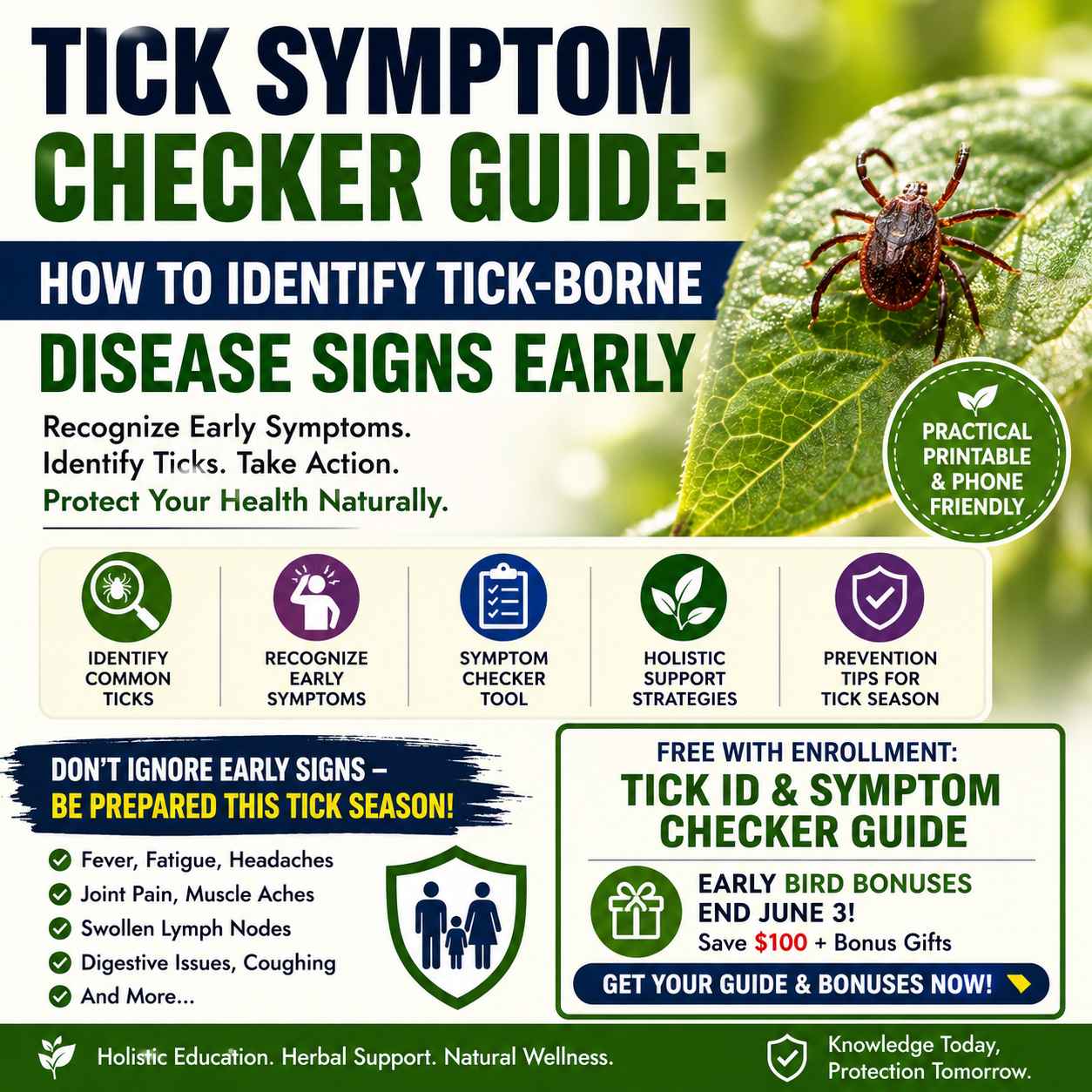
Want to feel more prepared during tick season? This practical Tick ID & Symptom Checker Guide helps you recognize common warning signs early, understand tick identification better, and explore prevention-focused wellness support before symptoms become overwhelming.
Why Early Tick-Borne Disease Detection Matters
One of the biggest challenges with tick-borne illnesses is that symptoms are rarely identical from person to person. Some infections mimic seasonal flu symptoms, while others affect the nervous system, respiratory health, digestion, or long-term energy levels.
Common early symptoms can include:
- Fever or chills
- Muscle aches
- Headaches
- Fatigue
- Joint stiffness
- Swollen lymph nodes
- Skin irritation or rashes
- Digestive discomfort
- Wheezing or coughing
- Brain fog or dizziness
The earlier these signs are recognized, the easier it becomes to seek proper medical evaluation and supportive care.
If you are unsure what steps to take immediately after discovering a tick bite, this practical guide on what to do after a tick bite explains the early warning signs many people overlook and the prevention strategies worth knowing before symptoms escalate.
Many people ignore symptoms because they do not immediately connect them to a tick bite. In some cases, the bite itself goes unnoticed. That makes education and symptom tracking incredibly valuable during peak tick season.
What Is a Tick Symptom Checker Guide?
A Tick Symptom Checker Guide is a practical reference tool designed to help people:
- Identify common tick species
- Understand symptom patterns linked to tick-borne diseases
- Monitor physical changes after a bite
- Learn prevention strategies
- Explore supportive wellness options
Instead of relying on panic or guesswork, these guides provide structured information that can help individuals make more informed decisions quickly.
The guide offered through Herbal Academy’s Holistic Approach for Tick-Borne Diseases course includes printable and mobile-friendly resources designed specifically for real-world use during tick season.
Common Tick-Borne Disease Symptoms People Miss
One reason tick-related illnesses are difficult to recognize is because symptoms can appear gradually or resemble other conditions.
Here are several commonly overlooked signs:
Persistent Fatigue
Many individuals describe feeling unusually drained even after adequate rest.
Migrating Joint Pain
Pain may shift between knees, shoulders, wrists, or other joints over time.
Sensitivity to Temperature
Some people experience chills, overheating, or night sweats unexpectedly.
Digestive Changes
Nausea, stomach discomfort, or appetite loss may occur in certain infections.
Respiratory Symptoms
Coughing or wheezing can sometimes appear depending on the disease involved.
Brain Fog
Difficulty concentrating or unusual mental fatigue is more common than many realize.
Recognizing these patterns early may help reduce delays in seeking professional guidance.
Why Tick Identification Is So Important
Not every tick carries the same disease risks. Different species are linked with different infections and symptom patterns.
A quality tick ID guide can help people:
- Identify the type of tick involved
- Understand possible symptom timelines
- Monitor risk factors more effectively
- Respond faster after exposure
This becomes especially important for families with children, pet owners, hikers, campers, and outdoor workers.
Holistic Support Strategies During Tick Season
Awareness is only part of the equation. Prevention and overall wellness support matter too.
The growing interest in holistic support for tick-borne diseases comes from people wanting practical ways to strengthen preparedness during tick season.
Many people are now exploring holistic support for tick-borne diseases to better understand prevention, immune wellness, herbal education, and practical recovery-focused strategies during peak tick season.
Some commonly discussed strategies include:
- Tick prevention habits outdoors
- Protective clothing and routine checks
- Herbal wellness support
- Immune health support
- Outdoor safety planning
- Recovery-focused nutrition
- Stress and inflammation management
Our related article on holistic support for tick-borne diseases explores how educational resources are helping people better understand prevention and wellness support options naturally.
Why the Herbal Academy Course Is Getting Attention
The Holistic Approach for Tick-Borne Diseases course has gained interest because it combines practical prevention education with expert-led discussions from experienced clinical herbalists and naturopathic physicians.
The course explores topics such as:
- Tick prevention strategies
- Bite response protocols
- Herbal support education
- Immune wellness support
- Lyme disease awareness
- Babesiosis education
- Chronic illness considerations
- Alpha-gal syndrome discussions
One of the most practical additions included during the Early Bird period is the Tick ID & Symptom Checker Guide along with bonus tick repellent recipe resources.
Readers interested in expanding their natural wellness knowledge may also want to explore these free herbalism courses and workshops online especially if they are considering a deeper long-term approach to herbal education and holistic wellness support.
For people who spend significant time outdoors or want a stronger preparedness plan for their families, this type of educational resource can offer long-term value beyond seasonal awareness.
Who Should Consider Learning More About Tick-Borne Disease Prevention?
This type of information is especially valuable for:
- Parents with active children
- Hikers and campers
- Pet owners
- Gardeners
- Outdoor workers
- Homesteaders
- Wellness-focused families
- Travelers visiting wooded or grassy regions
The reality is simple: tick exposure is becoming more common in many regions, and preparation matters more than reaction.
Frequently Asked Questions (FAQ)
What are the first symptoms of a tick-borne disease?
Early symptoms may include fatigue, fever, headaches, body aches, swollen lymph nodes, joint pain, or unusual exhaustion. Symptoms vary depending on the infection involved.
How soon do tick-borne disease symptoms appear?
Some symptoms can appear within days, while others may develop gradually over several weeks.
Why is a tick symptom checker guide useful?
A tick symptom checker guide helps people identify potential warning signs early and monitor symptoms after exposure more effectively.
Can all tick bites cause Lyme disease?
No. Different tick species carry different risks, and not all ticks are infected.
Are herbal support strategies replacing medical care?
No. Herbal wellness support is generally used as complementary education and prevention-focused support, not as a replacement for professional medical advice.
Who benefits most from tick prevention education?
Anyone who spends time outdoors, especially hikers, campers, gardeners, pet owners, and families in tick-prone areas.
Tick bites are easy to ignore until symptoms begin interfering with daily life. If you want a clearer plan for prevention, symptom awareness, and holistic support during tick season, the Holistic Approach for Tick-Borne Diseases course includes the Tick ID & Symptom Checker Guide plus Early Bird bonuses available for a limited time.
Final Thoughts
Tick season is not something to take lightly. The challenge with tick-borne diseases is not only exposure itself but how easily symptoms can be missed or misunderstood early on.
Having access to reliable educational tools, symptom awareness resources, and prevention-focused guidance can help people respond more confidently if exposure happens.
The Tick Symptom Checker Guide stands out because it transforms complicated information into something practical, accessible, and actionable for everyday use.
For individuals looking to strengthen their understanding of tick prevention, symptom recognition, and holistic wellness support, this educational resource offers a timely opportunity before the Early Bird enrollment period closes.
#TickSymptomCheckerGuide #TickBiteSymptoms #TickBorneDiseases #LymeDiseaseAwareness #HolisticHealthSupport #TickPrevention #HerbalSupport #OutdoorWellness #ImmuneHealthSupport #TickSeason #LymeDiseasePrevention #NaturalWellness #HerbalEducation #TickAwareness #PreventTickBorneDiseases #WellnessPreparedness #HolisticLiving #HealthEducation #OutdoorSafety #FamilyWellness
Disclosure:
This article may contain affiliate links. If you choose a service through our links, we may earn a commission at no extra cost to you.
This article was created with AI-assisted research and carefully reviewed by our in-house team before publication