How to Start an Herb Garden from Seed: A Beginner’s Guide to Growing Medicinal Herbs Indoors
This article was generated with the assistance of AI tools and carefully reviewed by our in-house team before publication.
Growing your own medicinal herbs is not a hobby. It’s leverage. When you control your seeds, you control quality, potency, and purity. If you’ve ever struggled to find true medicinal varieties at a nursery, you already know why seed starting matters.
This guide breaks down exactly how to start an herb garden from seed indoors — the right way — so you grow powerful, effective herbs instead of decorative plants bred only for color.
Let’s build this properly from the ground up.
Ready to grow medicinal herbs that actually work — not just look pretty?
Join the free herbal seed-starting training now and get instant access to expert-led lessons, replays, and downloadable guides.
Stop guessing.
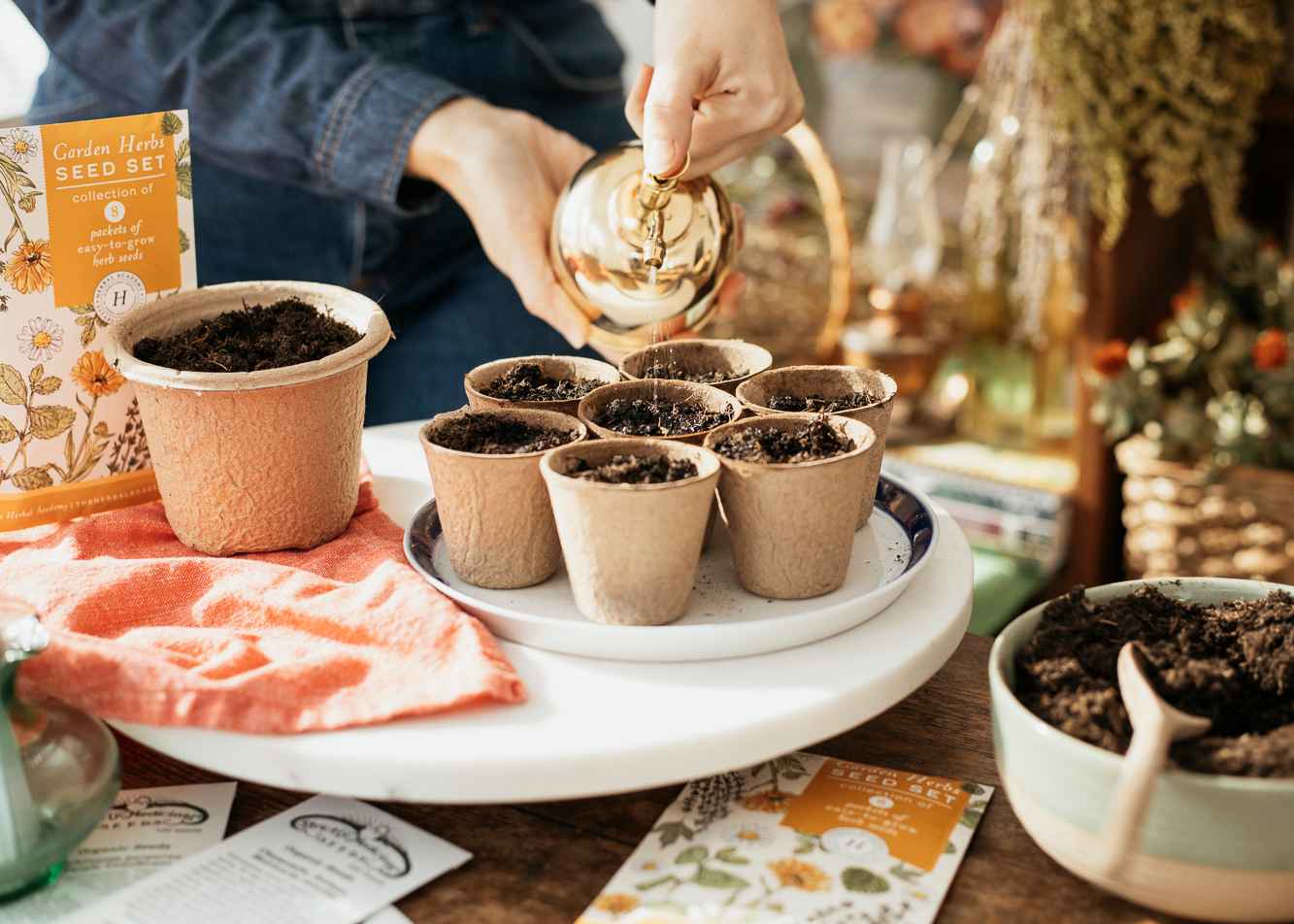
Why Serious Herbal Gardeners Start from Seed
Walk into most nurseries and you’ll find culinary staples — thyme, oregano, sage. Useful, yes. But if you’re looking for apothecary-focused herbs like skullcap, angelica, or elecampane, you’ll likely walk out empty-handed.
And here’s the bigger issue: many store-bought varieties are bred for appearance, not medicinal strength.
Take echinacea. You’ll see white, orange, even green blooms. Beautiful? Absolutely. Medicinally equivalent to traditional Echinacea purpurea or Echinacea angustifolia? Not necessarily.
When you start from seed:
- You choose the exact species
- You protect constituent potency
- You ensure purity
- You avoid ornamental cultivars diluted for aesthetics
If your goal is effective teas, tinctures, infused oils, and salves — seed starting is non-negotiable.
Benefits of Starting Herbs Indoors
Starting herbs indoors gives you a strategic advantage:
- Earlier harvests
- Higher germination control
- Protection from unpredictable weather
- Stronger, hardened transplants
- Lower long-term cost
More importantly, you control the environment during the most vulnerable growth phase.
That control equals healthier plants.
Essential Seed Starting Equipment for Beginners
You don’t need a greenhouse. You need efficiency.
Core Setup:
- Seed trays or soil blocks
- Organic seed-starting mix (light and well-draining)
- Grow lights or bright south-facing window
- Spray bottle for gentle watering
- Heat mat (optional, but boosts germination rates)
Avoid heavy garden soil indoors. It compacts and suffocates seedlings.
Step-by-Step: How to Start Medicinal Herbs from Seed
Step 1: Choose the Right Seeds
Always purchase from reputable suppliers offering true botanical species. Verify Latin names. Medicinal potency depends on it.
Step 2: Prepare Your Growing Medium
Use a fine, sterile seed-starting mix. Pre-moisten it before planting so seeds aren’t displaced by watering.
Step 3: Sow Correctly
- Tiny seeds: Press gently into surface (don’t bury deep)
- Larger seeds: Plant about 2x their size in depth
Label everything. Trust me.
Step 4: Maintain Warmth and Moisture
Most herbs germinate between 18–24°C. Keep soil consistently moist, never soaked.
Step 5: Provide Strong Light
Once sprouted, light becomes critical. Weak light = leggy seedlings. Use grow lights positioned 2–3 inches above plants.
Step 6: Harden Off Before Transplanting
Gradually introduce seedlings to outdoor conditions over 7–10 days.
Done properly, this method dramatically improves survival rates.
Best Medicinal Herbs to Grow from Seed
Here are three powerful beginner-friendly herbs that deliver strong medicinal value:
🌼 Calendula (Calendula officinalis)
Calendula is resilient and rewarding. Use fresh or dried petals in:
- Teas
- Infused oils
- Tinctures
- Healing salves
- Fresh poultices for cuts and bites
Fast germination. High yield. Excellent starter herb.
🌿 Tulsi (Ocimum tenuiflorum)
Also known as holy basil, tulsi is a powerhouse adaptogen.
Benefits include:
- Stress modulation
- Blood sugar support
- Digestive comfort
- Respiratory support
It thrives indoors with warmth and light. A must-grow medicinal herb.
🍋 Lemon Balm (Melissa officinalis)
Bright, lemony, uplifting.
Lemon balm is:
- Carminative
- Gentle nervine
- Mood-supportive
- Excellent for teas and infused honey
It’s beginner-friendly and grows vigorously once established.
Modern wellness is increasingly becoming a blend of natural healing traditions, recovery-focused health technology, and practical daily habits that support long-term wellbeing.
Why Education Accelerates Success
Trial and error is expensive.
Learning directly from experienced herbal educators dramatically shortens your learning curve. Structured training shows you:
- Which herbs need stratification
- When to start seeds by season
- How to avoid damping off
- What equipment is actually necessary
Bonus: Use a Seasonal Seed-Starting Calendar
Timing is everything.
A well-designed herbal seed-starting calendar helps you:
- Plan spring, summer, and fall sowing
- Identify indoor vs outdoor starts
- Avoid missed planting windows
Smart gardeners plan. Casual gardeners guess.
Be strategic.
Final Thoughts: Grow with Intention
Starting an herb garden from seed isn’t just about saving money. It’s about growing plants with verified identity, strong constituents, and real therapeutic value.
If you want vibrant medicinal herbs, don’t outsource the foundation.
Start from seed.
Control your process.
Grow with purpose.
The gardeners who commit to learning and doing it right are the ones harvesting potent herbs season after season.
Now is the time to begin.
If you’re serious about building a powerful, medicinal herb garden this season, don’t delay.
Secure your spot in the herbal seed-starting series, access the complete replay library, and download the seasonal seed-starting calendar now.
#HowToStartAnHerbGarden #MedicinalHerbs #GrowYourOwnMedicine #HerbalSeedStarting #IndoorHerbGarden #OrganicHerbGardening #GrowFromSeed #HerbalBusiness #SustainableLiving #ApothecaryGarden #HerbalEducation #PlantMedicine #SelfReliance #HomeHerbalist #HerbalEntrepreneur