How Sleep, Stress & Recovery Affect Fertility (What Most Apps Ignore)
This article was generated with the assistance of AI tools and carefully reviewed by our in-house team before publication.
Fertility is often simplified into dates on a calendar. Many apps ask for your cycle start date, estimate ovulation, and generate a predicted fertile window. While convenient, this approach misses one key fact: the body does not operate like a fixed spreadsheet.
Sleep changes. Stress levels rise and fall. Recovery varies. Travel, illness, work pressure, and lifestyle shifts can all influence cycle timing and reproductive wellness.
That is why more women are moving beyond calendar-only fertility apps and exploring smarter wearables like Circular Ring 2.
👉 Exclusive Kuruntha Reader Offer: Use code KURUNTHA for 10% off Circular Ring 2 at checkout.
If you want better clarity, fewer guesses, and a more modern way to understand your body, this guide explains what many apps miss and why smart rings are gaining attention.
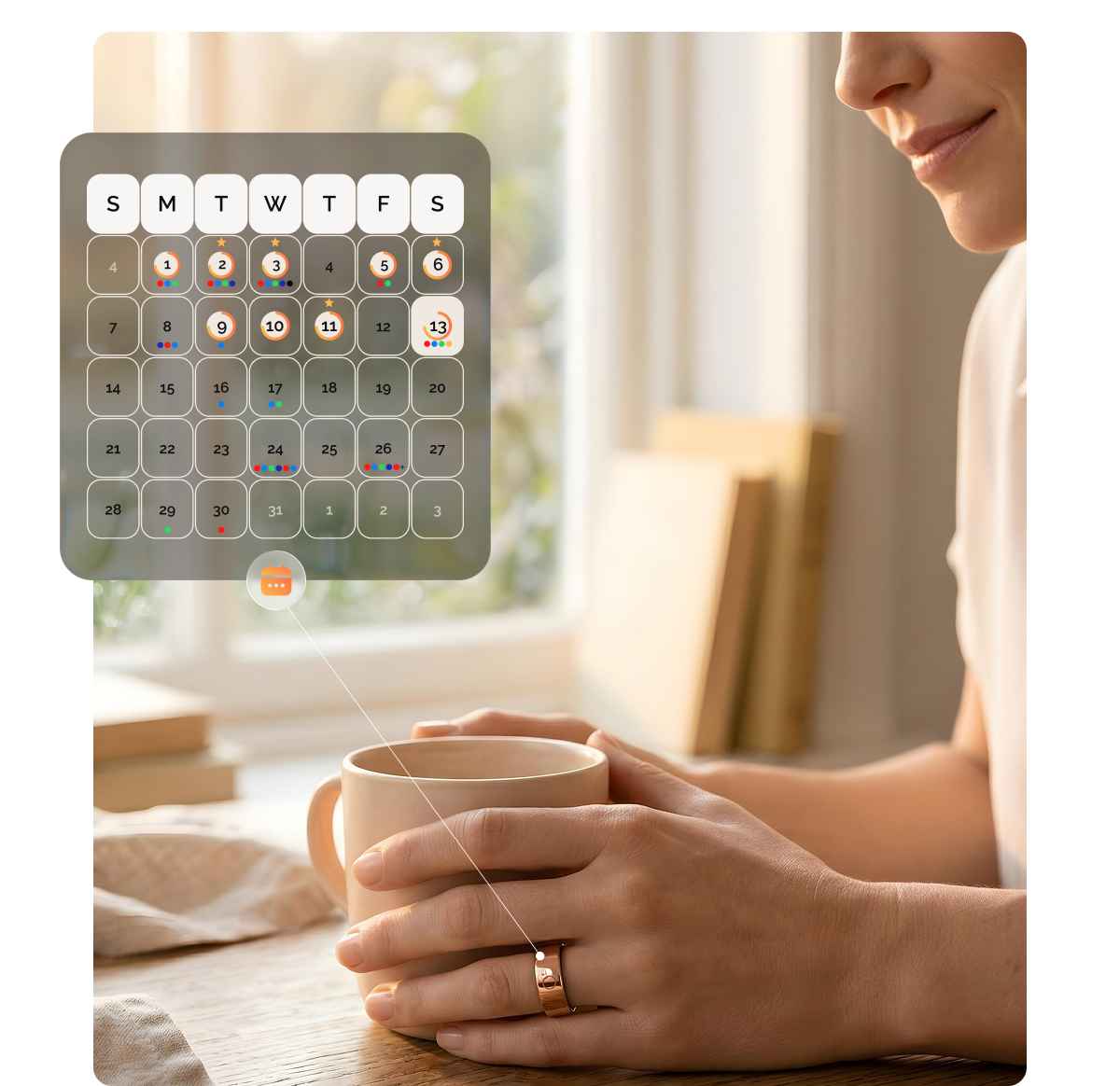
Fertility Is Whole-Body Health
Reproductive health is connected to the rest of your health.
Hormones interact with:
- sleep quality
- stress response
- energy levels
- recovery patterns
- metabolic health
- daily routines
When one area changes, cycles can shift too.
For example:
- High stress may delay ovulation
- Poor sleep may affect hormonal balance
- Illness may temporarily disrupt body signals
- Travel may affect biological rhythms
- Low recovery can increase fatigue during cycle phases
This is why every cycle is not identical. The body adapts constantly.
Static fertility apps based only on historical averages often fail to reflect this reality.
Why Most Fertility Apps Can Be Inaccurate
Many traditional fertility apps depend on:
- previous period dates
- average cycle length
- generic fertile window predictions
- calendar assumptions
That may help with broad planning, but not precision.
Ovulation can happen earlier or later than expected. Stressful weeks, inconsistent sleep, illness, or lifestyle changes can all affect timing.
This leads many users to ask:
- Why is my cycle different this month?
- Why was my fertile window inaccurate?
- Why do predictions keep changing?
The answer is simple: limited inputs create limited outputs.
If an app only knows your dates, it cannot fully understand your body.
If you want a deeper breakdown of where many cycle apps go wrong, read our guide on Why Most Fertility Apps Can Be Inaccurate (And What Actually Works Today).
What Smarter Fertility Tracking Looks Like
Modern wearables use real body signals instead of guesswork.
Important data points include:
- basal body temperature trends
- sleep quality and consistency
- heart rate variability (HRV)
- stress indicators
- recovery readiness
- cycle-to-cycle changes
This gives a fuller picture of what may be happening.
For example, basal body temperature often rises slightly after ovulation. Tracked consistently over time, this may help reveal patterns. But one manual morning reading can miss fluctuations or context.
Continuous overnight tracking can be more practical and more informative.
That is where smart rings stand out.
To explore how real-time tracking is replacing outdated prediction models, see From Inaccurate Fertility Apps to Real-Time Hormone Tracking: What Actually Works Today (And What’s Coming Next).
Why Circular Ring 2 Is Getting Attention
Circular Ring 2 combines advanced wellness tracking with a comfortable ring design made for everyday use.
Instead of asking you to manually log everything, it gathers helpful trends automatically.
Features buyers appreciate:
- Overnight temperature trend tracking
- Detailed sleep analysis
- HRV insights
- Stress score monitoring
- Recovery data
- Personalized app insights
- Lightweight wearable design
- No mandatory subscription
For women who want deeper cycle awareness and broader health insights, Circular Ring 2 can be a major step up from basic fertility apps.
👉 Thinking of upgrading? Use code KURUNTHA for 10% off Circular Ring 2.
Sleep and Fertility: Often Ignored, Highly Important
Sleep is one of the most underrated factors in women’s wellness.
Healthy sleep supports:
- hormone balance
- recovery
- emotional resilience
- energy regulation
- consistent routines
Poor sleep can increase stress load and reduce recovery quality. Over time, that may affect broader health patterns.
Circular Ring 2 helps track:
- sleep duration
- sleep quality
- consistency trends
- readiness indicators
Sometimes the smartest fertility upgrade is not another calendar app. It is improving sleep first.
Stress and Ovulation Timing
Stress does not affect everyone the same way, but it can influence cycle timing.
During demanding periods, some women notice delayed cycles or irregular patterns.
A wearable that tracks stress trends provides context that many apps cannot.
Instead of wondering what changed, you may begin seeing connections between:
- stressful work weeks
- poor sleep periods
- travel disruption
- lower recovery phases
- cycle shifts
That kind of awareness can be valuable.
Why Smart Rings Are Winning Over Watches
Many buyers want health insights without wearing a bulky device.
Smart rings are popular because they are:
- discreet
- comfortable for sleep
- minimal and stylish
- easier to wear daily
- less distracting than watches
- practical for long-term tracking
Circular Ring 2 combines convenience with wellness intelligence.
For many users, it feels like a smarter daily tool rather than another gadget.
Recovery awareness is quickly becoming one of the most important foundations of modern wellness, especially for women balancing hormonal health, stress management, sleep quality, and long-term wellbeing.
Who Should Consider Circular Ring 2?
This wearable may be ideal for:
- women tracking cycle trends naturally
- those planning conception
- users frustrated with inaccurate fertility apps
- professionals managing stress-heavy routines
- buyers wanting sleep and recovery insights
- women preferring no subscription devices
- anyone seeking smarter health awareness
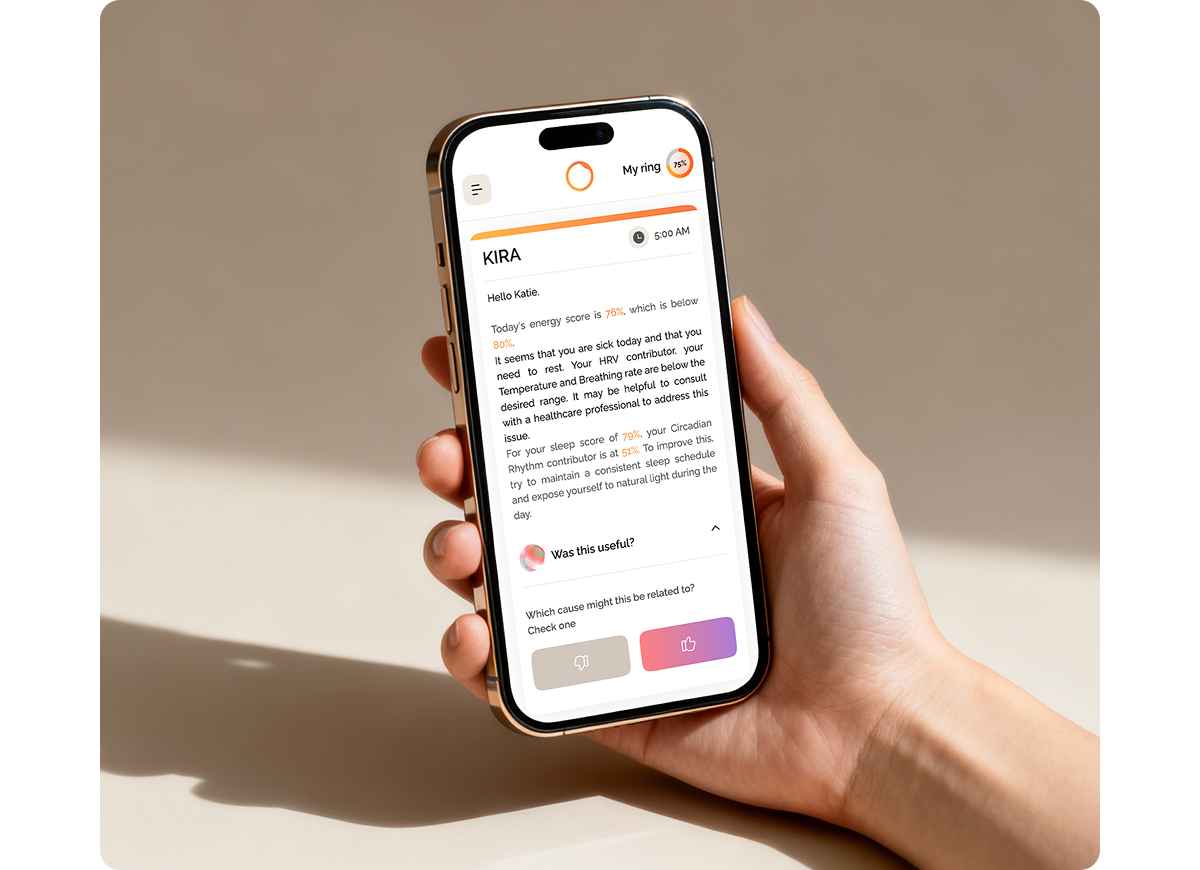
Better Data. Better Decisions.
A calendar can estimate dates.
A smart wearable can help reveal patterns.
That difference matters.
If you are tired of generic fertility predictions and want real wellness signals, Circular Ring 2 is worth serious consideration.
Your body already gives signals every day. The right device helps you understand them.
Ready to Upgrade Your Fertility Tracking?
If you want a smarter approach to sleep, stress, recovery, and cycle awareness, now is a good time to explore Circular Ring 2.
Exclusive Kuruntha Offer
👉 Use code KURUNTHA at checkout and get 10% OFF Circular Ring 2.Smarter tracking. Better insights. Real savings.
Frequently Asked Questions
1. Can a smart ring help fertility tracking?
Yes. Smart rings can track temperature trends, sleep quality, HRV, and stress patterns that may support fertility awareness.
2. Is Circular Ring 2 better than a basic fertility app?
For many users, yes. Calendar apps rely mainly on dates, while smart rings add body data and real-time trends.
3. Does stress affect ovulation timing?
Stress may influence cycle timing in some women, which is why context-based tracking can be helpful.
4. Why is sleep important for fertility wellness?
Sleep supports recovery, hormone balance, and overall health, all important for reproductive wellness.
5. Does Circular Ring 2 require a subscription?
One strong selling point is its no mandatory subscription approach.
6. Where can I get a discount on Circular Ring 2?
You can use code KURUNTHA to receive 10% off when available.
#CircularRing2 #SmartRing #FertilityTracking #WomensHealth #OvulationTracking #SleepAndFertility #StressManagement #WearableTech #HealthTech #CycleTracking #ReproductiveHealth #NoSubscription #WellnessTech #BetterSleep #TrackYourHealth #BuySmartRing #Kuruntha #DiscountCode #10Off #HealthUpgrade
This content is for informational purposes only and does not constitute medical advice. Always consult a qualified healthcare professional before making decisions related to your health, fertility, or treatment options.
This article may contain affiliate links. If you choose to purchase through these links, we may earn a commission at no additional cost to you.