HRV Recovery Tracking Wearable: Are You Training or Actually Adapting?
This article was generated with the assistance of AI tools and carefully reviewed by our in-house team before publication.
Training Is a Signal. Adaptation Is the Outcome.
Most people believe consistency alone drives progress. Train harder. Train more. Stay disciplined.
That’s outdated thinking.
Training is only a signal you send to your body.
Adaptation is the response your body gives back.
And here’s the hard truth:
If your recovery is off, your body never fully responds.
You’re not getting stronger. You’re just getting more tired.
If you’ve been putting in the work but not seeing real progress, it’s time to stop guessing.
👉 See what your body is actually telling you—explore the Circular Ring 2 and start training based on real recovery data.
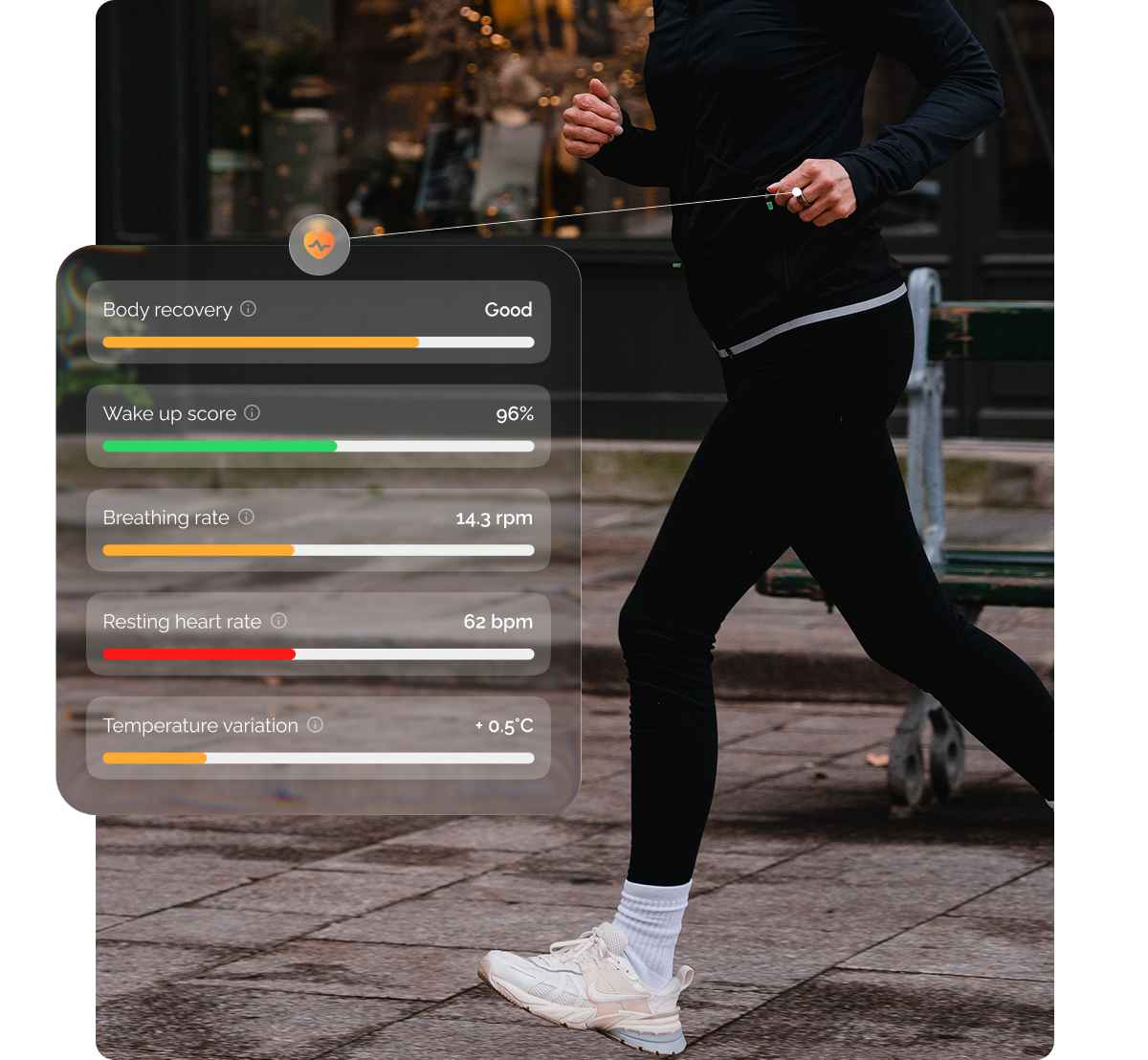
The Invisible Gap That Slows Your Progress
You can train five days a week and still move backward.
Why?
Because adaptation doesn’t happen during effort.
It happens between sessions—when your body repairs, recalibrates, and rebuilds.
Without proper recovery:
- Muscle repair is incomplete
- Nervous system stays fatigued
- Performance plateaus silently
This is where most people lose ground without realizing it.
What Real Adaptation Looks Like (Backed by HRV Data)
Your body tells the truth through data before performance shows it.
When you are adapting properly, you’ll notice:
- HRV (Heart Rate Variability) gradually increasing
- Resting heart rate slowly decreasing
- Energy levels staying stable even after intense sessions
This is not guesswork. This is measurable.
A HRV recovery tracking wearable makes this visible—daily, consistently, objectively.
What It Looks Like in Real Life
1. The “I Feel Fine” Trap
You train hard all week. Nothing feels wrong.
But your HRV drops three days in a row.
That’s not random. That’s your body signaling stress accumulation.
Ignoring it leads to burnout.
Adjusting early leads to stronger performance by the weekend.
2. The Rest Day That Changes Everything
You wake up with slightly lower energy. Nothing dramatic.
Most people push through.
But when you follow your recovery data and rest:
- HRV rebounds
- Energy spikes the next day
- Your next workout becomes significantly stronger
One smart pause beats three mediocre sessions.
3. The “Plateau” That Isn’t Real
You train consistently for weeks with no visible progress.
Frustrating, right?
But your recovery data shows:
- Shorter sleep cycles
- HRV below baseline
- Increased fatigue signals
You’re not stuck. You’re under-recovered.
Adjust recovery → performance returns.
Why HRV Is the Ultimate Performance Signal
HRV measures how well your body handles stress.
High HRV = adaptable, recovered, ready
Low HRV = strained, fatigued, at risk
Unlike motivation or mood, HRV:
- Cannot be faked
- Updates daily
- Reflects internal recovery status
This makes it one of the most powerful tools for performance optimization.
If you’ve ever trusted app-based health tracking without questioning accuracy, this deep dive on why most fertility apps can be inaccurate—and what actually works today will completely change how you look at biometric data.
👉 Why most fertility apps can be inaccurate—and what actually works today
Why a Recovery Tracking Wearable Changes the Game
Without data, you rely on:
- Guesswork
- Motivation
- Habit
With a wearable, you gain:
- Daily recovery insights
- Sleep quality analysis
- Personalized readiness scores
- Data-backed training decisions
This is the difference between training hard and training intelligently.
The Smarter Way to Train (That Actually Works)
High performers don’t just train more.
They:
- Adjust intensity based on recovery
- Prioritize sleep as a performance tool
- Use HRV trends, not emotions
- Respect rest as part of growth
This is not a shortcut.
This is how real progress has always been built—just now with better tools.
Progress Is Built Between Sessions
The gym is where you apply stress.
Recovery is where you build strength.
If you can clearly read what’s happening between sessions, every workout becomes more effective.
That’s the leverage a HRV recovery tracking wearable gives you.
Ready to Train Smarter, Not Just Harder?
If you want:
- Better performance
- Faster recovery
- Fewer plateaus
- Data-driven decisions
Then it’s time to stop guessing.
Start tracking.
Start adapting.
Make every session count.
❓ FAQ Section
1. What is HRV and why is it important for recovery?
HRV (Heart Rate Variability) measures the variation between heartbeats. It reflects how well your body adapts to stress and recovers from training.
2. How does HRV help avoid overtraining?
Consistently low HRV indicates accumulated stress. By monitoring it, you can reduce intensity or rest before burnout happens.
3. Can a wearable really improve my performance?
Yes. A recovery tracking wearable provides real-time insights into sleep, recovery, and readiness—helping you make smarter training decisions.
4. How often should I check my HRV?
Daily tracking is ideal. Trends over time matter more than single readings.
5. Is HRV better than just listening to my body?
Listening to your body is important—but HRV adds objective data. It reveals stress signals you might not consciously feel yet.
You’re already showing up and doing the work.
Now make sure it actually counts.
Track your recovery, understand your body, and train with purpose—discover how the Circular Ring 2 can turn your effort into real results.
Want to see how this works in real life?
This detailed breakdown of the Circular Ring 2—covering HRV, sleep tracking, and advanced health insights—shows exactly what you can expect before you decide.
👉 Detailed breakdown of the Circular Ring 2—covering HRV, sleep tracking, and advanced health insights
#HRVRecovery #TrainSmart #RecoveryMatters #WearableTech #FitnessOptimization #BiohackingPerformance #OvertrainingPrevention #SmartTraining #SleepRecovery #PerformanceTracking #FitnessData #HealthOptimization #PeakPerformance #RecoveryFirst #TrainToAdapt
This content is for informational purposes only and does not constitute medical advice. Always consult a qualified healthcare professional before making decisions related to your health, fertility, or treatment options.
This article may contain affiliate links. If you choose to purchase through these links, we may earn a commission at no additional cost to you.